

#10 Lessons from Mumsnet: community, campaigns and health policy change
A conversation with Rhiannon Evans, Head of Communication and Public Affairs at Mumsnet

Regardless of whether you’re a parent or not, you will have heard of Mumsnet. Over the past 26 years, the site has grown from an online parenting forum into one of the UK’s most influential online communities and a respected campaigning platform that politicians, journalists and brands pay close attention to.
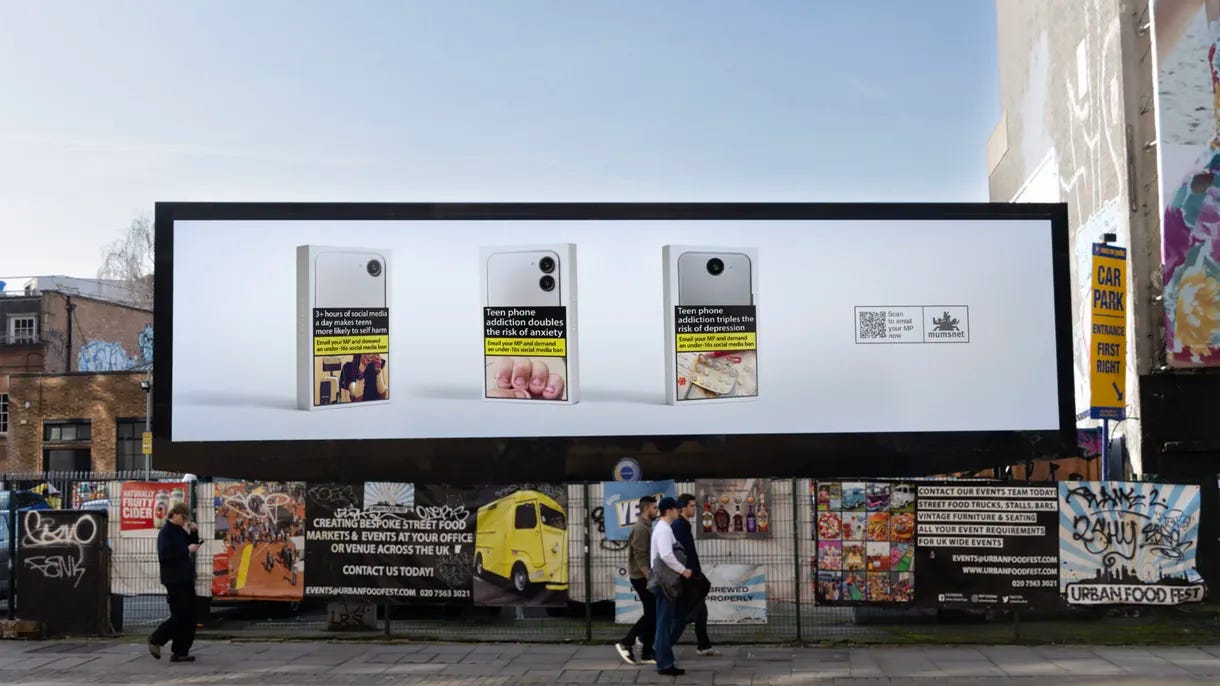
Today, Mumsnet is a community of around 8 million users, with around 700,000 posts each month and more than 1.5 million words posted every day - spanning everything from pregnancy and schooling to money, relationships, health and politics. In the last year alone, its campaigns have included work to End Medical Misogyny in the NHS, plus the high-profile Rage Against the Screen push for stronger protections for children online. Mumsnet amplifies and unites the voices of women who are too often ignored or elbowed out of traditional political circles, using the power of numbers to force policymakers to sit up and take note.
Mumsnet’s campaigns are held in high esteem by my peers in health comms and public affairs, so I was keen to interview the woman leading them and bring her reflections, advice and experiences to For Immediate Release readers.
Here are the highlights of our conversation — with a few practical takeaways for charities and campaigners who want to work with Mumsnet (or build Mumsnet-style campaigns of their own).
1) How Mumsnet decides what to campaign on
Jess: Out of all the pressing issues facing parents today – how do you decide where to double-down?
Rhiannon: All of our campaigns grow out of the conversations we’re seeing on our boards. We’re always paying attention to the themes and topics that are gaining traction. If a problem can be solved through peer-to-peer advice, great. But some problems are structural - a policy gap, an institutional blind spot, a system designed without women in mind. Those are the moments where a conversation needs to become a campaign.
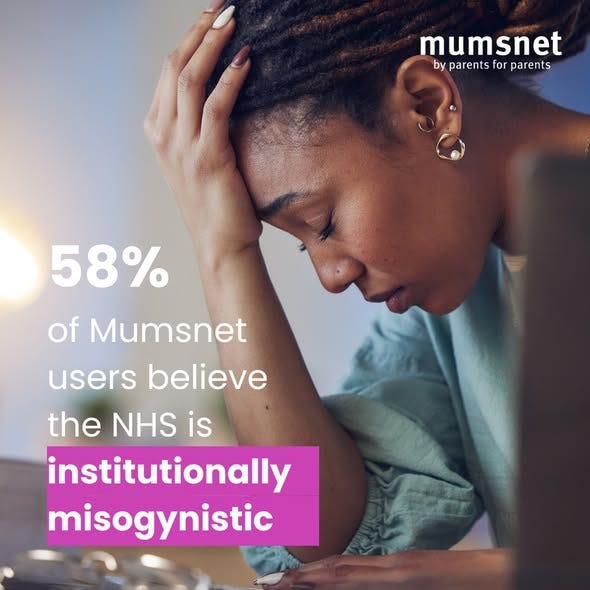
We’ll often run polls and surveys with users or use analysis tools to digest huge volumes of conversation and pull out repeated themes. Our medical misogyny work is a great example: we produced a report built on analysis of close to 100,000 conversations over a decade, backed up with a survey on women’s experiences. This gave us our headline finding that nearly 60% of women believe the NHS is institutionally misogynistic.
That pattern-not-anecdote approach is the thread running through everything Mumsnet does: stories give you the human truth; scale gives you the legitimacy to argue for systems change.
2) What happens when a charity asks Mumsnet to back an issue?
Jess: I imagine you’re often approached by charities, activists and campaigners hoping to collaborate with you. How do you decide who to work with?
Rhiannon: We do get a huge amount of inbound. The first test is relevance: is this something Mumsnet users are already talking about, or likely to care about? The second is mission-fit: will this make parents’ lives easier? If it passes those two big tick boxes, we’ll explore what’s realistic given limited resource.
Partnership can mean different things. Mumsnet is part of coalitions (for example on early education and childcare). But we can also support more informally — by giving campaigners space on the boards, running a guest post, amplifying on social, and sometimes including activity in emails. A guest post isn’t automatically an endorsement, but it can be a route to put an issue in front of parents, even when Mumsnet isn’t leading the campaign.
If you’re a charity or campaigner wanting to partner with Mumsnet, here’s what to do:
Start with evidence of relevance. Before you pitch, search the Mumsnet boards (and your own channels) to understand how parents are already talking about the issue. Your email should reflect that language, not just your organisational framing.
Be clear on the “make life easier” angle. Spell out the practical barrier you’re trying to remove for parents (cost, time, access, stigma, safety) and what change would look like.
Offer an option that respects limited resource. Come with 2–3 lightweight ways Mumsnet could help (e.g., a guest post, a hosted Q&A thread with an expert, a short survey/poll, signposting to support), rather than a fully-fledged, multi-month campaign ask.
Expect Mumsnet to sense-check through their community. If the issue isn’t showing up on the boards, be open to reframing, timing it differently, or building awareness first.
3) The ingredients of a campaign journalists and policymakers can’t ignore
Jess: When you think about media engagement with campaigns, what do you believe are the non-negotiables?
Rhiannon: It’s about getting the right combination of elements. Mumsnet’s anonymity means women share personal, sometimes sensitive experiences. Those accounts are powerful in their own right - and the wider media will often quote Mumsnet posts as a temperature check on what parents are saying about a given topic. But the campaigns become truly hard to dismiss when those stories are backed by scale: survey findings, or analysis that shows the same themes repeating across thousands of posts.
This is where policy and systems change campaigning can learn from community platforms. If you can only tell one heartbreaking story, you’ll get sympathy. If you can show the story is part of a pattern - and explain the structural reason it keeps happening - you can make the case for change. You’re not arguing that something went wrong; you’re arguing that the system is currently designed to produce this outcome.
4) Getting traction with policymakers: the effective basics
Jess: Policymakers now treat Mumsnet as a trusted barometer. What’s your advice for organisations trying to build that kind of policy influence from scratch?
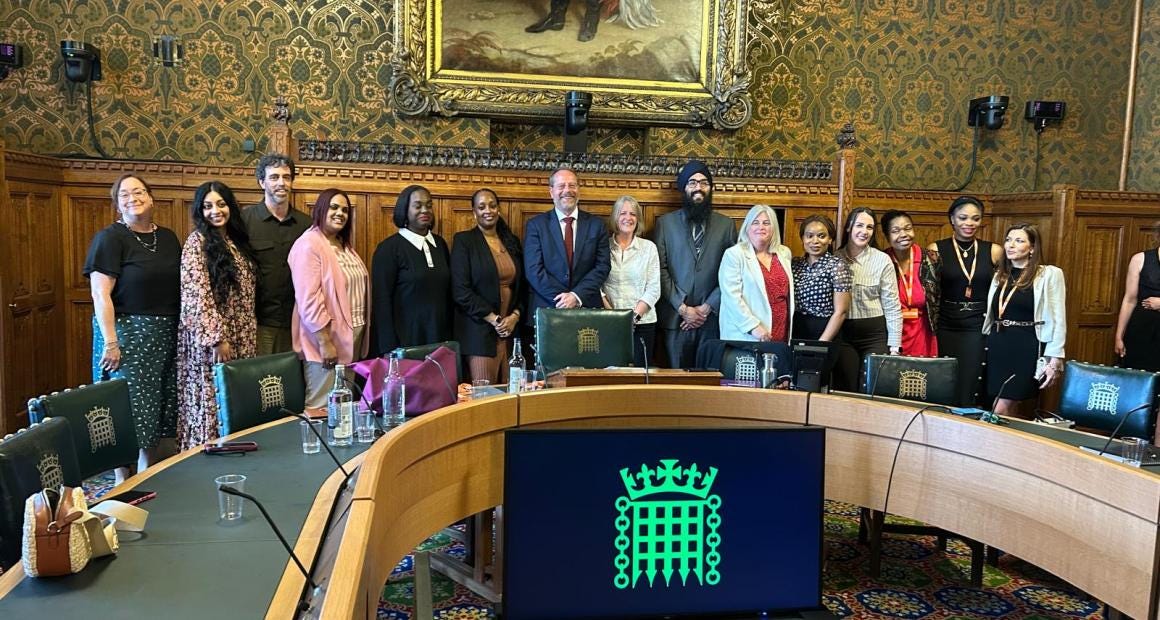
Rhiannon: Start with the people who already care - or have a reason to care - about your mission. I always recommend a deliberately practical approach: map the MPs, peers, select committee members, APPGs, advisers and officials who have shown interest (questions asked, campaigns backed, relevant constituencies), then build the case with them first. When you do that groundwork well, it’s so much easier to create a small group of informed champions who can pull the issue up the agenda from inside the system.
For comms teams, the takeaway is to treat policy influence like any other campaign: define the change you want, identify the decision-makers who can deliver it, and then plan the route to yes step by step.
5) Social media can provide excellent leverage (if you use it well)
Jess: Have the recent changes in audience media consumption habits forced you to change the way you run your campaigns?
Rhiannon: I think it’san opportunity for campaigners. If MPs increasingly get news via social platforms, why not embrace that as your route in? Traditional media still gives credibility, but social gives campaigners (especially smaller, grassroots ones) more control. Ultimately, you can invest time in building your own channels and reliably reach people, whereas press coverage will always be at the mercy of the day’s news agenda.
It’s important to remember that social is more than a direct broadcast channel - it’s where communities already exist. Just look at the huge networks of women sharing advice on conditions like endometriosis on Instagram and TikTok: lived experience, peer support, practical scripts for navigating appointments. So embracing social media can also be a way of bringing those existing conversations and experiences into a wider campaign.
The comms lesson I’m taking away
If you’re trying to build campaigns that shift systems with limited resource, the Mumsnet playbook is reassuringly replicable: listen for the pattern, quantify it, tell the story with care, and then do the unglamorous work of coalition-building and stakeholder mapping. That’s how you earn trust - and how you convert community voice into change.
🏆 Health PR Campaign Inspo
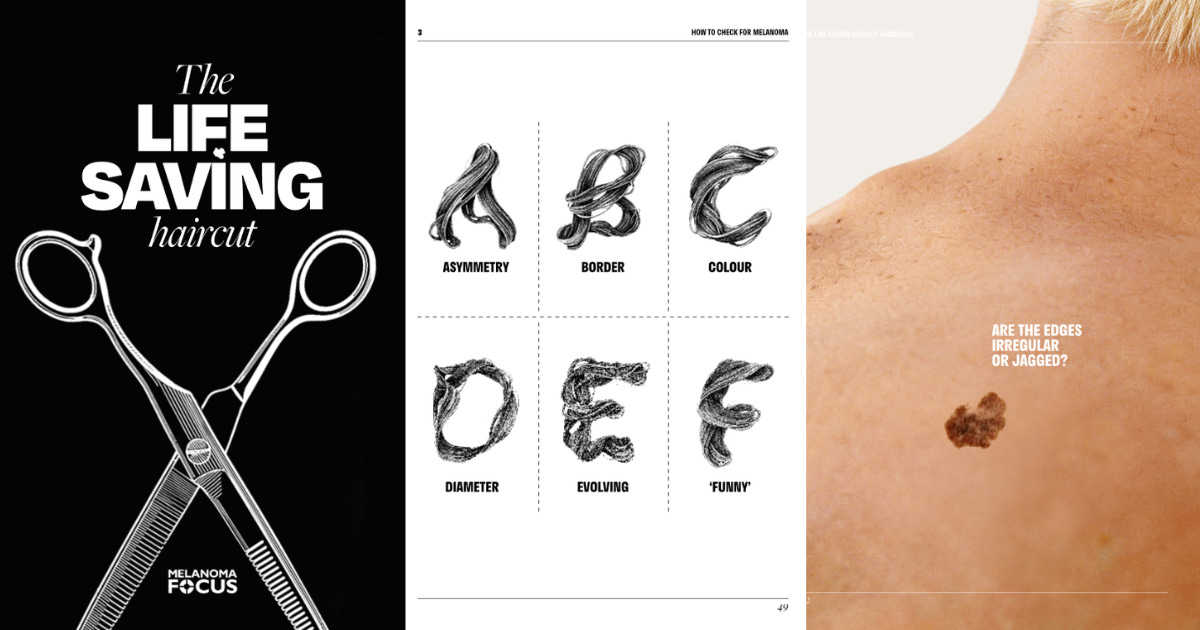
To mark Skin Cancer Awareness Month,Melanoma Focus launched ‘The Life Saving Haircut’: an awareness and education campaign that centred around the publication of the first handbook for barbers that teaches how to spot the early signs of melanoma on the head and neck. The project was born from a collaboration between independent creative directors Michele Bona, Chiara Biondi, and Michael De Piano, and is a brilliant example of targeting cancer education to a non-medical group with huge untapped potential to flag cancer warning signs at the early stages.
📚 Long Read: ‘There is no way to stop this’: ‘Biotech Barbie’ Cathy Tie on her mission to genetically modify babies. This interveiw/deep-dive in The Guardian by Jenny Kleeman is as compelling as it is crazy.
🤣 Short Reads:
For my PharmaTimes column this month, I spoke to Ivanna Rosendal, a long-time life sciences podcaster and newly trained stand-up comic. She told me why pharma comms needs a sense of humour…
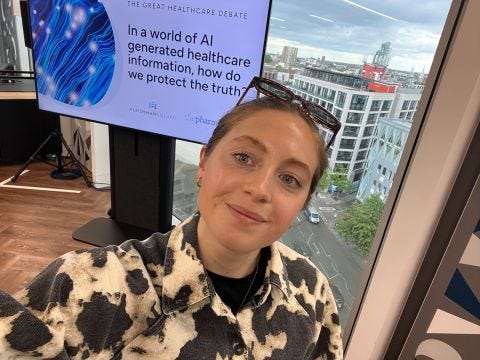
In a world of AI-generated healthcare information, how do we protect the truth? My reflections on the PharmaLetter x Fleishman Hillard panel debate in May.
📆 Events:
Tuesday 9th June, Women’s Health Pitch Competition + Open Mic Pitching & Networking,The Ministry, Borough
Thursday 11 June, One Year of Hale House & HLTH Europe London Warm up, Marylebone
Tuesday 23 June, One HealthTech London Social, The Ministry, Borough
Thursday 25 June, Frontier Biotech 2.0: Five Tables, Euston
Thursday 2 July, Women in PR Summer Party, Spitalfields